Tilahun Gessesse (ጥላሁን ገሠሠ) was an Ethiopian singer known for his tenor voice. He died on 19 April 2009. Sources differ on his birth date in September 1940, as discussed below. English Wikipedia says he was nicknamed “The Voice” during Ethiopia’s musical golden age in the 1960s.
He sang first at the Hager Fikir Theatre in Addis Ababa, then with the Imperial Bodyguard Band, and later at the National Theater. His Philips and Amha singles from the early 1970s, the Ethio-Grooves reissues of the 1990s, and Éthiopiques 17 on Buda Musique in 2004 keep that work in print.
This page lists his albums and key singles by year, with labels and catalogue numbers from the Discogs record database and from Ethiopian Music DB. Song titles appear in Amharic script only where a cover or label printed them. For the band that backed him on a 1986 cassette, see our history of the Walias Band.
Tilahun Gessesse at a Glance
English Wikipedia says Tilahun was born in Waliso, then in Shewa, to Gessesse Negusse and Gete Gurmu. He attended the Ras Gobena school there, left for Addis Ababa as a teenager, and joined the Hager Fikir Association, now the Hager Fikir Theatre.
Amharic Wikipedia spells his name ጥላሁን ገሠሠ and places his early years between Addis Ababa and Waliso. French Wikipedia and MusicBrainz give his birth date as 29 September 1940, two days later than the English page. These are secondary reference entries, not independent verification of either date.
After the Hager Fikir Theatre he became a leading singer with the Imperial Bodyguard Band. Wikipedia says he later moved to the National Theater and appeared before Emperor Haile Selassie. The BBC headline of April 20, 2009 read “Ethiopian emperor’s singer dies”.
French Wikipedia says he also sang with the Ibex Band and the Walias Band. The Ibex Band’s work with other singers of that era is covered in our page on the Ibex Band and the Roha Band. A cassette with the Walias Band is listed below. He is not named among the singers on the Walias 1981 United States tour.
A Note on Amharic Titles
Amharic titles on this page come from record and cassette labels as listed on Discogs. The 1975 Amha long playing record (LP) prints his name as ጥላሁን ገሠሠ. When no Amharic source was found, we give the Latin spelling only.
We do not add our own English translations of song titles. Where a Discogs entry prints both scripts on a cassette J card, we show both. Éthiopiques 17 uses the French style spellings printed by Buda Musique.
Tilahun Gessesse Albums and Compilations by Year
| Year | Title | Label and number | Notes |
|---|---|---|---|
| 1975 | ጥላሁን ገሠሠ (Tilahun Gessesse) | Amha Records, AELP 110 | LP, pressed in Greece; eight songs |
| 1985 | አንቺ ልጅ ጎፈሬ (Anchi Lij Gofere) | Z Music Shop, cassette | With the Central Command Band, per Discogs |
| 1986 | ጥላሁን ገሠሠ ከዋልያስ ባንድ ጋር | Misratch Music Shop, cassette | With the Walias Band |
| 1992 | Tilahun Gessesse Vol. 1 / Vol. 2 | Ethio-Grooves, MCD 1181 | Two disc set of new recordings of older songs; also on cassette |
| 1995 | Wegen Alegne | Ethio-Grooves, EG95 1 | CD compilation of new recordings of older songs |
| 1999 | አንዳንድ ነገሮች (Andand Negeroch) | Ethio-Grooves, EGS5955 | CD; also a cassette on Sima Electronics |
| 2004 | Éthiopiques 17: Tlahoun Gèssèssè | Buda Musique, 82266 2 | Seventeen Philips era tracks; compilation |
| 2008 (Discogs; Wikipedia: 2000) | Greatest Hits | Ethio Sound, ES 116 | Compilation; Wikipedia dates this to 2000 |
| 2016 | Sima! | Mississippi Records, MRP 030 | Vinyl compilation drawn from Éthiopiques 17 |
Sources: Discogs, Ethiopian Music DB, Buda Musique and English Wikipedia. Discogs also lists undated Ambassel and shop cassettes, including አዳዲስ የጥላሁን ገሠሠ ዘፈኖች and እንቆቅልሽ. Heavenly Sweetness later pressed Ethiopian Urban Modern Music Vol. 4 with his tracks.
Where the Sources Disagree
English Wikipedia gives his birth date as 27 September 1940. French Wikipedia and MusicBrainz give 29 September 1940. Amharic Wikipedia uses Ethiopian calendar dates. Neither date is treated here as independently verified.
Wikipedia dates Greatest Hits on Ethio Sound (ES 116) to 2000. The Discogs entries for ES 116 and for a Nahom Records edition both give 2008. The table records both dates. The discrepancy remains unresolved; it does not establish an earlier pressing.
Imperial Bodyguard and National Theater Years
Tilahun’s first steady stage work was at the Hager Fikir Theatre. Wikipedia says he then joined the Imperial Bodyguard Band and became one of its star singers in the 1960s. After an attempted coup by the Bodyguard in December 1960, Wikipedia says he was arrested for a time.
He later moved to the National Theater. Wikipedia says his tenor was regarded as the leading Ethiopian pop voice of the 1960s and that he appeared three times before Emperor Haile Selassie.
Most of his recordings are in Amharic. Wikipedia says he also recorded a few songs in Oromo.
Philips and Amha Singles, 1970 to 1976
His earliest dated seven inch singles on Discogs come from Philips Ethiopia in 1970. Yehagere Shitta / Ebo Lala carries the Philips number PH 100. Arrangements on several of these sides are credited to Mulatu Astatke, with players from the Addis studio circuit.
Other 1970 Philips sides include Tiz Alegn Yetintu / Emnete (PH 101) and Sithed Siketelat / Yefikir Tizita (PH 103). In 1973 Philips issued Kulun Manqualesh / Alegntaye as PH 168. Discogs lists many more Philips numbers through 1976, among them Aikedashim Libe / Yene Mastawesha (PH 217), Tchuheten Bitsemu / Ine Negn Woy Antchi (PH 216) and Siko Menor / Ballen Iniwekibet (PH 221).
In 1975 Amha Records released his LP titled ጥላሁን ገሠሠ (AELP 110). The Discogs tracklist gives eight songs: Hebret, Bezu Gizie Alefe, Agul New, Megnot Eko Helme New, Derese, Feker Betwan Serta, Kasegnesh and Kanchi Gar Kalhone. The same year Amha also pressed the single Sew Manen Yimeslal / Sima (AE 940). Kaifa Records issued at least two Tilahun singles in 1975 (KF 13 and KF 14).
These Philips and Amha sides sit in the same Addis recording world as the Ibex Band sessions that made Mahmoud Ahmed‘s 1970s albums, though Tilahun’s main 1970s credits on Discogs are with Philips studio groups rather than as an Ibex bandleader album.
Famine Benefit Recordings
English Wikipedia states that recordings he made in the 1970s and 1980s helped raise large sums of money for famine victims. The claim is attributed there to EthioMedia reporting at the time of his death. We repeat it only as Wikipedia’s summary of that reporting. We found no separate catalogue list on Discogs that labels specific benefit discs by title.
Cassettes with Walias and Later Shop Labels
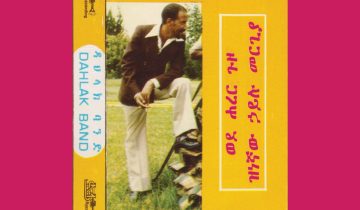
Discogs dates አንቺ ልጅ ጎፈሬ to 1985 on Z Music Shop. The J card lists ten Amharic song titles, including መልካም መንገድ and the title track አንቺ ልጅ ጎፈሬ. Credits name the Central Command Band.
In 1986 Misratch Music Shop issued ጥላሁን ገሠሠ ከዋልያስ ባንድ ጋር, Tilahun Gessesse with the Walias Band. The master tracklist on Discogs is in Amharic only: የምንጃር ልጅ, ከሌለህ የለህም, ጀረ ፍቅር በሕግ, የጣቴ ቀለበት, ተይ አታበሳጭኝ, and five more titles on side B. English Wikipedia says he worked with the Walias from 1983 under Misrach Music Group on new recordings of older songs. Our Walias Band page covers the group’s history; it notes that the 1981 United States tour featured other singers, not Tilahun.
Ethio-Grooves Reissues in the 1990s
After time in the United States, Ethio-Grooves Records released Tilahun Gessesse Vol. 1 / Vol. 2 in 1992 as a two disc set (MCD 1181). Wikipedia describes these as new recordings of older songs with players such as Abegasu Kibrework, Fasil Wuhib, Teddy Mak, Theodros Mitiku and Yared Tefera. A cassette edition of Vol. 1 prints Amharic titles beside Latin spellings, including የእኔ ማስታወሻ (Yene Mastawesha) and ሞናሊዛዬ ነሽ (Monalisaye Neshi).
Wegen Alegne followed in 1995 on Ethio-Grooves EG95 1, a ten song CD. Andand Negeroch came in 1999 as Ethio-Grooves EGS5955. A matching Ethiopian cassette spells the title አንዳንድ ነገሮች and lists Amharic track titles such as ሐሜታ, አመልካች ጣት and አንዳንድ ነገሮች.
Éthiopiques 17 and Later Compilations
In 2004 Buda Musique released Éthiopiques 17: Tlahoun Gèssèssè as catalogue 82266 2. The release notes reproduced by Discogs describe seventeen tracks under an exclusive Buda Musique license from Tilahun in agreement with Philips Ethiopia. This is the release note’s licensing claim. The booklet notes are by Francis Falceto. Recording dates in the notes run from 1970 to 1975.
The Bandcamp and Discogs tracklists, in Buda’s spelling, are:
- Seqo Mènor
- Lantchi Biyé
- Yèné Felagoté
- Kulun Mankwalèsh [70]
- Tchuhetén Betsèmu
- Aykèdashem Lebé
- Tezalègn Yètentu
- Sethéd Sekètèlat
- Sèlamtayé Yedrès
- Bèyèt Nèw Mèngèdu
- Kulun Mankwalèsh [73]
- Alègntayé
- Yèhagèré Sheta
- Sèw Nèw Yètchèkènè
- Ené Nègn Wèy Antchi
- Yèné Mastawèsha
- Ras-hen Betcha
In 2016 Mississippi Records pressed Sima! (MRP 030), a vinyl selection drawn from the same Philips era sides. Ethio Sound’s Greatest Hits (ES 116) collects further titles under Latin spellings such as Yne Filagote and Tchuheten Bitsemu.
Key Songs in Amharic and English Spelling
| Amharic (as printed) | Latin spelling | Where listed |
|---|---|---|
| ጥላሁን ገሠሠ | Tilahun Gessesse | 1975 Amha LP title |
| የእኔ ማስታወሻ | Yene Mastawesha | Ethio-Grooves Vol. 1; Éthiopiques 17 as Yèné Mastawèsha |
| ሞናሊዛዬ ነሽ | Monalisaye Neshi | Ethio-Grooves Vol. 1 cassette |
| ስትሄድ ስከተላት | Setihed Siketelat | Ethio-Grooves Vol. 1; Philips PH 103 as Sithed Siketelat |
| አንቺ ልጅ ጎፈሬ | Anchi Lij Gofere | 1985 Z Music Shop cassette title |
| አንዳንድ ነገሮች | Andand Negeroch | 1999 Ethio-Grooves album title |
| አመልካች ጣት | Amelkach Tat | Andand Negeroch cassette |
| Yehagere Shitta / Yèhagèré Sheta | Philips PH 100; Éthiopiques 17 | |
| Kulun Manqualesh / Kulun Mankwalèsh | Philips PH 168; Éthiopiques 17 | |
| Lantchi Biyé | Éthiopiques 17 | |
| Tezalègn Yètentu / Tiz Alegn Yetintu | Philips PH 101; Éthiopiques 17 | |
| Sima / Sema | Amha AE 940 B side |
Blank Amharic cells mean we found no Ge’ez spelling on a cover we could check. We do not invent translations.
Death, Funeral and Honors
Tilahun died in Addis Ababa on 19 April 2009 after returning from the United States. English Wikipedia says he had diabetes. Wikipedia reports an honorary doctorate from Addis Ababa University and a lifetime achievement award from the Ethiopian Fine Art and Mass Media Prize Trust.
A vigil was held at the National Theatre garden on 22 April 2009, according to Wikipedia. The same English Wikipedia account dates the state funeral at Holy Trinity Cathedral to 23 April and describes a public gathering in Meskel Square. Wikipedia quotes messages of condolence from then Prime Minister Meles Zenawi, Patriarch Abune Paulos and United States Ambassador Donald Yamamoto.
His records remain in print through Éthiopiques 17 and later compilations, beside the discographies of peers such as Aster Aweke and Mahmoud Ahmed.
Tilahun Gessesse Career Timeline
- September 1940: Born in Waliso (27 September per English Wikipedia; 29 September per French Wikipedia and MusicBrainz)
- Mid 1950s: Joins the Hager Fikir Theatre in Addis Ababa.
- 1960s: Lead singer with the Imperial Bodyguard Band; later the National Theater.
- 1970: First dated Philips singles, including Yehagere Shitta (PH 100).
- 1975: Amha LP AELP 110; further Philips and Kaifa singles.
- 1985 to 1986: Shop cassettes, including one with the Walias Band.
- 1992 to 1999: Ethio-Grooves Vol. 1 / Vol. 2, Wegen Alegne and Andand Negeroch.
- 2004: Buda Musique releases Éthiopiques 17.
- 19 April 2009: Dies in Addis Ababa; state funeral 23 April.