Ibex Band (አይቤክስ ባንድ) was an Addis Ababa band of the 1970s that backed Mahmoud Ahmed and recorded the album Stereo Instrumental Music in 1976. When Ibex broke up in 1979, its bass player Giovanni Rico (ጆቫኒ ሪኮ), its guitarist Selam Seyoum Woldemariam (ሰላም ስዩም), known as Selamino, and the saxophone player Fekadu Amdemeskel were among the founders of the Roha Band (ሮሃ ባንድ). The two bands backed many of the country’s best known singers for almost 20 years.
Muzikawi, the label that released their lost album in 2025, says the two bands recorded more than 2,500 songs in the 1970s and 1980s. A 2019 program by VOA Amharic said the bands made more than 250 albums. Most of those recordings are hard to find today. In November 2026, Selamino and Rico are leading a new Ibex lineup on a tour of Europe.
Ibex Band and Roha Band at a Glance
| Question | Answer |
|---|---|
| Where | Addis Ababa, Ethiopia |
| Ibex Band years | Early 1970s to 1979 |
| Roha Band years | 1979 to about 1993 |
| Leaders | Giovanni Rico (bass) and Selam Seyoum Woldemariam, “Selamino” (lead guitar) |
| Best known singer they backed | Mahmoud Ahmed |
| Best known albums | Mahmoud Ahmed’s 1975 recordings, released in Europe as Ere Mela Mela; Stereo Instrumental Music (recorded 1976, released 2025) |
| Other singers they backed | Aster Aweke, Tilahun Gessesse, Girma Beyene and others; they also worked with Mulatu Astatke |
How Ibex Band Began
Ibex grew out of a 1960s group, the Soul Echos band, according to the album notes that Muzikawi published with Stereo Instrumental Music. The Discogs database spells that band Soul Ekos. The first Ibex lineup included two foreign musicians, the Zimbabwean guitarist Andrew Wilson and the singer and percussion player Ismail Jingo, Discogs says.
Selamino was born in Addis Ababa on June 10, 1954, according to his Discogs biography. He first played cover versions of foreign hits in the city, then studied traditional guitar in Asmara. He came back to play at the Venus Club in Addis Ababa. Soon after, he took Wilson’s place in Ibex, as the band was becoming Mahmoud’s backing band.
Rico played bass, and Selamino played lead guitar. The Planet Rock booking agency, which organizes the 2026 tour, says the two men established the 6/8 chickchicka rhythm and its heavy bass loops, and that Ibex turned traditional Ethiopian melodies into dance music. It adds that for decades other musicians copied their style and even their instruments, the Fender bass of Rico and the Gibson guitar of Selamino.
Ibex held residencies at the Ras Hotel and the Ghion Hotel in Addis Ababa, the Le Guess Who? festival wrote in July. The website Ethiopia Observer, in a review of a 2025 Amharic biography of Mahmoud, wrote that Rico played with the singer in both bands at the Wabi Shebele Hotel and the Hilton Hotel for several years.
Mahmoud Ahmed and Ere Mela Mela
The band is best known for its work with Mahmoud Ahmed. In 1975, Kaifa Records released his album ማሕሙድ ፡ አሕመድ (Mahmoud Ahmed). The back cover reads “Mahmoud Ahmed with the Ibex Band.” Muzikawi’s notes say Rico and Selamino arranged and recorded the song and album Ere Mela Mela, which gave Mahmoud his commercial breakthrough.
Eleven years later, that music reached Europe. In 1986, the Belgian label Crammed Discs released the collection Ere Mela Mela. Buda Musique, the French label behind the Éthiopiques series, calls it “the very first record of modern Ethiopian music released in Europe.” Buda released it again in 1999 as Éthiopiques 7.
Stereo Instrumental Music, the Lost 1976 Album
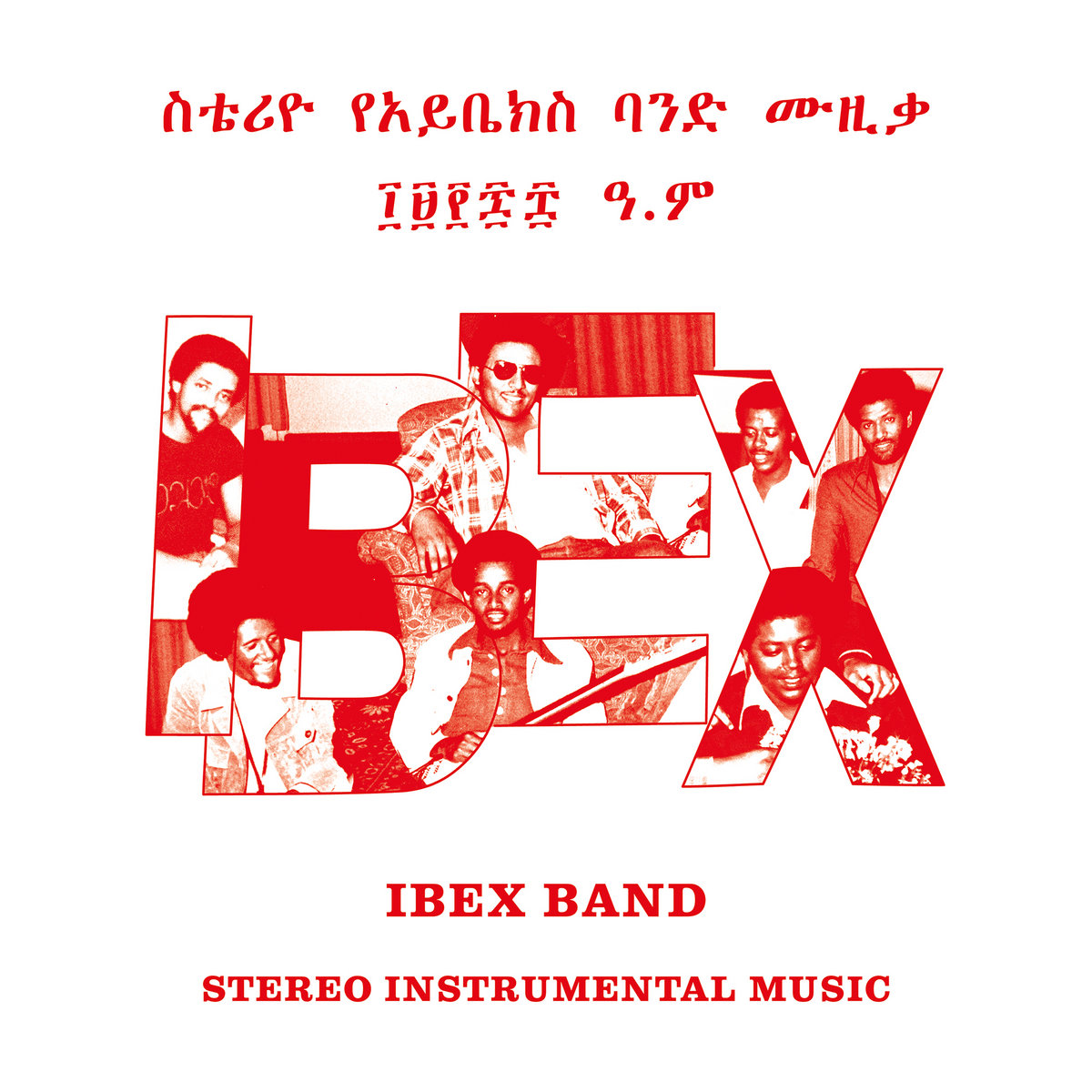
In July 1976, the band recorded an album with no singer. It is called Stereo Instrumental Music, or ስቴሪዮ የአይቤክስ ባንድ ሙዚቃ in Amharic. The cover gives the year as 1968 in the Ethiopian calendar.
Most of the work took place in two sessions in the ballroom of the Ras Hotel. Karl-Gustav Lundgren, a Swede who worked for the Radio Voice of the Gospel, lent the band a four track recorder, the first one in the country, the album notes say. The band recorded the last four songs itself, on a single track machine.
The recording then dropped out of sight for decades. It came back from a chrome cassette found in perfect condition, and Muzikawi released it on April 11, 2025. The music magazine Uncut gave it 8 out of 10, the Brussels concert hall Ancienne Belgique noted. The Quietus called it “a unique document of the vibrant Ethiopian music scene of the 1970s.”
The Amharic song titles below come from Muzikawi’s official YouTube videos. The English spellings and times come from the album’s Bandcamp page.
| No. | Song | Amharic title | Length |
|---|---|---|---|
| 1 | Kemd’layey | ከምድላዬይ | 5:44 |
| 2 | Meleyayet Mot Naw | መለያየት ሞት ነው | 7:56 |
| 3 | Zerafewa | ዘራፌዋ | 6:38 |
| 4 | Shemonmuanaye | ሸሞንሟናዬ | 3:09 |
| 5 | Yezemed Yebada | የዘመድ የባዳ | 3:53 |
| 6 | Hakim Zemose | ሀኪም ዘሞሴ | 4:52 |
| 7 | Yene F’qr | የኔ ፍቅር | 3:34 |
| 8 | Skaysi Y’ke’al’yu | ስቃይሲ ይካአልዩ | 4:48 |
| 9 | Turumbule | ቱሩምቡሌ | 3:13 |
| 10 | Ay w’bet | አይ ውበት | 7:26 |
| 11 | Asa’belashalehu | አሳ አበላሻለሁ | 6:01 |
| 12 | Yenuro Meten’sh’n | የኑሮ መጠንሽን | 4:16 |
The Ibex Band Lineup on the 1976 Album
The album credits, in English and in Amharic, name seven musicians. Rico and Selamino arranged and produced every song.
- Giovanni Rico (ጆቫኒ ሪኮ), bass guitar
- Selam Seyoum Woldemariam (ሰላም ስዩም), lead guitar
- Dereje Mekonen (ደረጀ መኮንን), keyboards
- Tesfaye Mekonen (ተስፋዬ መኮንን), drums
- Fekadu Amdemeskel (ፍቃዱ አምደመስቀል), saxophone and flute
- Tedros Mitiku (ቴድሮስ ምትኩ), saxophone and flute
- Girma Chibsa (ግርማ ጪብሳ), congas
From Ibex to Roha in 1979
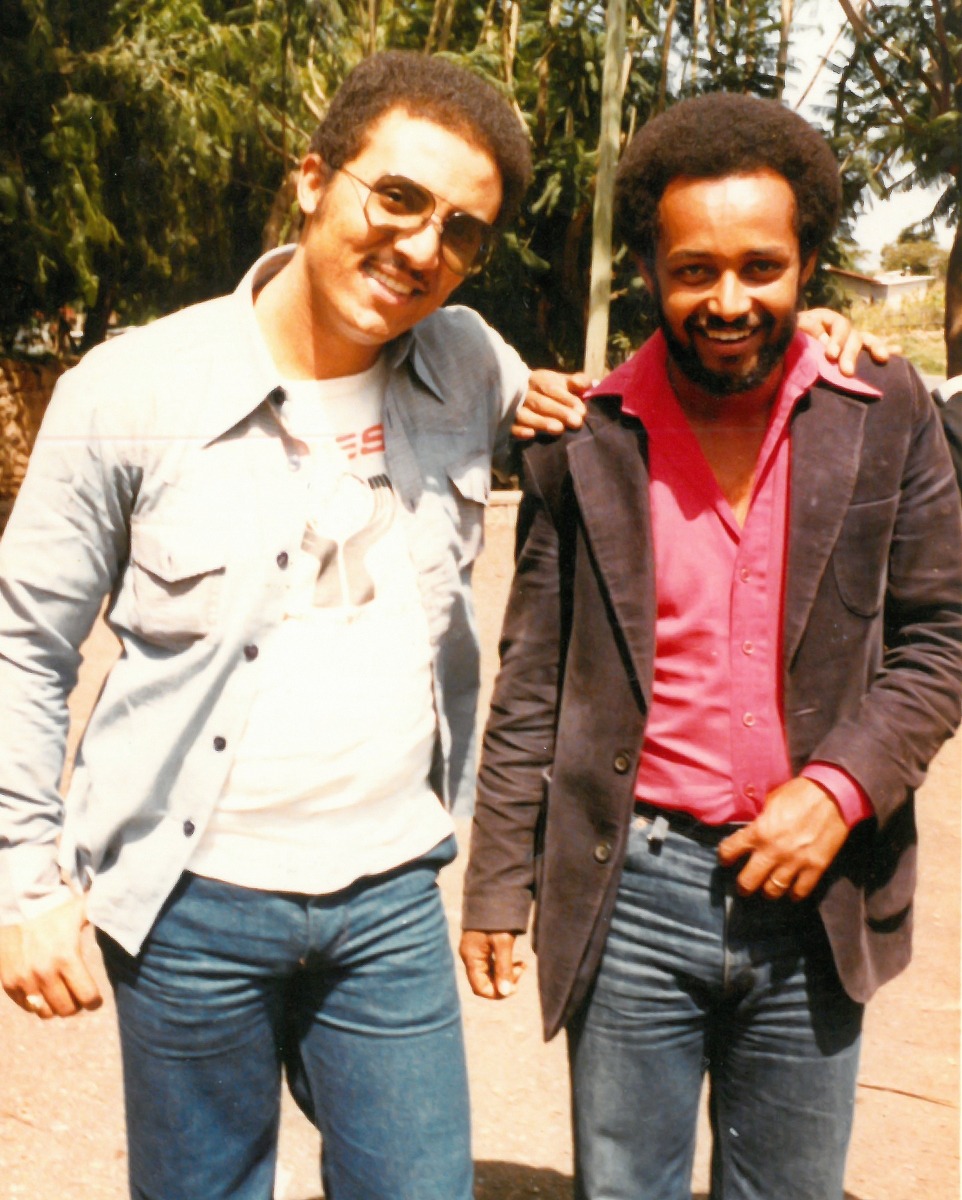
Ibex ended in 1979, when most of its members left the country for Sudan, according to Discogs. Rico, Selamino and Fekadu stayed and were among the founders of a new group, the Roha Band. Discogs says the name comes from Roha, the old name of Lalibela, the holy town known for its churches cut from rock.
Sources do not fully agree on who founded it. Muzikawi calls the pianist and composer Dawit Yifru “the legendary composer, pianist and founder of Roha Band.” Discogs lists Dawit among Roha’s members, along with names such as Birhane Haile Maryam, Yared Tefera, Ashenafi Awel, Yonas Degefie and Tekle Tesfazghi. Fekadu left the band in 1989 or 1990, Discogs says.
The Roha Band Years
Roha backed many singers on record and on stage. Discogs lists Roha cassettes with singers such as Mahmoud Ahmed, Tilahun Gessesse, Muluken Melesse, Ephrem Tamiru, Hirut Bekele, Hebist Tiruneh and Elias Tebabal. Many of these tapes carry no year.
The band also played abroad. Muzikawi’s notes say the band toured widely in Africa, Europe and the Middle East. A 1989 BBC Records compilation, Under African Skies, includes “Ya Selame Lalo” by Mahmoud Ahmed and the Roha Band. In 1990, AIT Records released a CD titled Roha Band Tour 1990, with songs such as “Yetikimt Abeba” and “Ambasel.”
The VOA Amharic program dates the bands’ main work from 1973 to 1986 in the Ethiopian calendar, which is about 1980 to 1994. Discogs says Roha broke up in 1993.
Later Work and New Interest
The two leaders kept working after Roha. Rico produced Mahmoud’s 1996 album Tizita, according to Discogs. In 2015, Nahom Records released The Reunion “Endegena,” a CD by Ephrem Tamiru and the Roha Band.
New listeners found the band in 2020. The American group Khruangbin put “Yetikimt Abeba” by Roha Band on its Late Night Tales mix album, released on December 4 that year. The culture house Väven in Umeå, Sweden, says Selamino is one of the main role models of Mark Speer, Khruangbin’s guitarist.
Muzikawi’s notes say the two men influenced many younger players, from the keyboard player Abegasu Shiota to the bass player Henock Temesgen. Abegasu and Henock were later among the founders of the band Admas. In August 2025, the London radio station NTS aired a two part special on Ibex, with an interview and a program on the Roha years.
The 2026 Europe Tour
The new Ibex lineup plays six cities in six nights, from Brussels on Tuesday, November 3, to Umeå on Sunday, November 8. Selamino and Rico lead younger musicians from the United States, Sweden and Ethiopia, Planet Rock said. We covered the dates in our tour story.
Selected Recordings
This list includes recordings that are named by the labels or listed on Discogs. It is not a full discography, because many cassettes from the 1980s were never cataloged.
| Year | Title | Credited to | Label | Note |
|---|---|---|---|---|
| 1975 | ማሕሙድ ፡ አሕመድ (Mahmoud Ahmed) | Mahmoud Ahmed with the Ibex Band | Kaifa Records | LP; source of Ere Mela Mela |
| 1975 | Tezeta and Sidetegnash Negn | Mahmoud Ahmed with the Ibex Band | Kaifa Records | Singles |
| 1976 | ስቴሪዮ የአይቤክስ ባንድ ሙዚቃ (Stereo Instrumental Music) | Ibex Band | Muzikawi (2025) | Recorded July 1976, released April 11, 2025 |
| 1978 | Jeguol Naw Betwa | Mahmoud Ahmed | Mahmoud Ahmed Records | Discogs lists Ibex Band on it |
| 1986 | Ere Mela Mela | Mahmoud Ahmed | Crammed Discs | First modern Ethiopian record released in Europe, Buda says |
| 1989 | Under African Skies (compilation) | Mahmoud Ahmed and Roha Band | BBC Records | Song “Ya Selame Lalo” |
| 1990 | Roha Band Tour 1990 | Roha Band | AIT Records | CD |
| No year | ማህሙድ አህመድ ከሮሃ ባንድ ጋር (Mahmoud Ahmed With the Roha Band) | Mahmoud Ahmed and Roha Band | Mahmoud Music Shop | Cassette |
| 1999 | Éthiopiques 7: Ere Mela Mela | Mahmoud Ahmed | Buda Musique | CD reissue of the 1975 recordings |
| 2015 | The Reunion “Endegena” | Ephrem Tamiru and Roha Band | Nahom Records | CD |
| 2020 | Late Night Tales: Khruangbin | Various | Night Time Stories | Includes Roha Band, “Yetikimt Abeba” |
Hear Selamino and Rico in Their Own Words
In December 2019, Rico and Selamino sat down with VOA Amharic for a 31 minute conversation in Amharic about their years with Ibex and Roha.