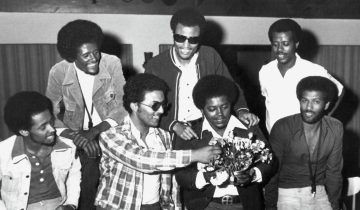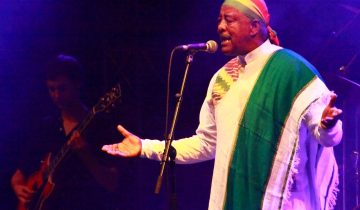
The Walias Band (ዋሊያስ ባንድ) was an Addis Ababa band active from the early 1970s to the early 1990s. It played for years as the house band of the Hilton Addis Ababa, backed singers such as Tilahun Gessesse, Mahmoud Ahmed and Getachew Kassa, and made some of the first Ethiopian albums of instrumental music. Its most widely covered piece is Musicawi Silt, from the 1977 album Tche Belew (ቼ በለው). In 1981 it became the first modern Ethiopian band to tour the United States, and four of its members stayed there.
How the Band Began
The band took its name from the walia ibex, a wild goat that lives only in the mountains of Ethiopia. It is a different group from the Ibex Band, which also backed Mahmoud Ahmed in the same years, and the two bands shared no members, according to Wikipedia.
Most of the players had worked together before, notably in the Shebelle Hotel band, and they started out as members of the house band of the Venus club in the early 1970s. That history comes from notes by Tessema Tadele on the official Bandcamp page for the album Tezeta. The same notes say the Walias were the first band in Ethiopia to form on its own, without a theatre, club or hotel behind it. The members raised their own money and bought their own instruments.
Accounts differ on who started the band. The Discogs record database says the bass player Melake Gebre founded it and the trumpeter Yohannes Tekola led it. Wikipedia credits the organist Hailu Mergia (ሀይሉ መርጊያ) with leading its formation.
The Hilton Years
The Walias then took a long residency at the Hilton hotel, which the notes call “the place to be” in the city. The longtime fan Kidanu Mekonnen recalls in the notes of Awesome Tapes From Africa, the label that reissued the band’s albums, that he met them in 1970 when they began playing at the hotel’s Harar Grill. Guests included Manu Dibango and Richard Roundtree, the label’s notes say. Alice Coltrane played a song with the band, and members of Duke Ellington’s band jammed with them.
In the years of the Derg military government, which took power in 1974, a night curfew made it dangerous for guests to leave after 11 PM. Wikipedia says the band often played two or three sets until six in the morning. The label’s notes say love songs were now forbidden and instrumentals became the order of the day. Ethiopian Television played the Walias instrumentals so often that many viewers knew the music without knowing the name of the band.
The band also ran its own music shop and label, Ethio Sound, in Meskel Square. The shop stayed open for about three years before the wife of Melake took it over, according to the notes.
Members
The lineup on Tche Belew and on the 1975 album Tezeta, as listed by Discogs and by Awesome Tapes From Africa, was:
- Hailu Mergia: organ and Moog synthesizer
- Girma Beyene: piano, arranger
- Moges Habte: saxophone and flute
- Yohannes Tekola: trumpet
- Abebe Kassa: alto saxophone
- Mahmoud Aman: guitar
- Melake Gebre: bass guitar
- Temare Haregu: drums
The tenor saxophone player Tilaye Gebre appears in the credits of the 1981 album The Best of Walias. Singers who made their name with the band include Tsehaye Yohannes, Netsanet Melese, Wubishet Fisseha and Seyoum Gebreyes, the Tezeta notes say.
Key Recordings
Most Walias recordings came out on cassette in Ethiopia and are hard to find. The main records that can be checked today are:
- Tezeta (ትዝታ, meaning memory or nostalgia), 1975. The first full album, recorded at the Hilton after hours and released on cassette by Ethio Sound. Its nine instrumentals include Endegena, a Mahmoud Ahmed song, and Ou-Ou-Ta, a Tilahun Gessesse song. Awesome Tapes From Africa reissued it on June 4, 2021.
- Tche Belew (ቼ በለው), 1977, Kaifa Records, pressed in Greece. Mulatu Astatke plays on the album and arranged two of its ten tracks. Girma arranged the title track and Musicawi Silt. Aster Aweke and Getachew Kassa sing in the chorus. Awesome Tapes From Africa reissued it in 2014.
- The Best of Walias, 1981, Walias Records, printed and made in the United States, according to Discogs. The credits name Mahmoud Ahmed, Getachew Kassa and Wubishet Fisseha as singers.
- ጥላሁን ገሠሠ ከዋልያስ ባንድ ጋር (Tilahun Gessesse With the Walias Band). Discogs dates this Tilahun album with the band to 1986. It opens with Yeminjar Lij (የምንጃር ልጅ). Discogs also lists a cassette of Tilahun with the band titled 1979.
- Éthiopiques 13: Ethiopian Groove, The Golden Seventies (Buda Musique, 2002). The French series includes Muziqawi Silt and two songs by Seyoum Gebreyes with the band, Mètch Ené Terf Fèlèghu and Muziqa Muziqa.
- Addis Ababa, 1992, a CD by Alemayehu Eshete and the Wallias Band, with Addis Ababa Bété and Tizita.
Musicawi Silt has a life of its own. Many bands have recorded it, among them Antibalas, Either/Orchestra, Debo Band and Akalé Wubé, Wikipedia lists.
The 1981 Tour of the United States
The tour was organized by Amha Eshete, the founder of Amha Records, who lived in exile in Washington. The Tezeta notes say he planned it in 1979, but the government at first refused to let the band leave for what it called an imperialist country. It took two years to get permission, and the members were told not to tell family or friends that they were going on tour.
Mahmoud Ahmed, Getachew Kassa and Wubishet Fisseha travelled with the band. Amha told Pan African Music in an interview that the tour went along the East Coast and to Dallas and California. Some people called for a boycott, and the first big concert in Washington failed. “Frankly, it was one of the worst times of my life,” he said.
Ethiopia Observer, writing about a new Mahmoud Ahmed biography, reported that only 200 of 1,500 seats sold at the Warner Theatre, where tickets cost $25. Mahmoud insisted that the band play for the people who came. Later concerts at the Capital Hilton sold out on two days in a row, the biography says.
Where They Are Now
Girma Beyene, Moges Habte, Melake and Hailu stayed in the United States and formed the Zula Band, according to Wikipedia. Yohannes Tekola and Temare Haregu went home and played together in Ethiopia for about ten more years.
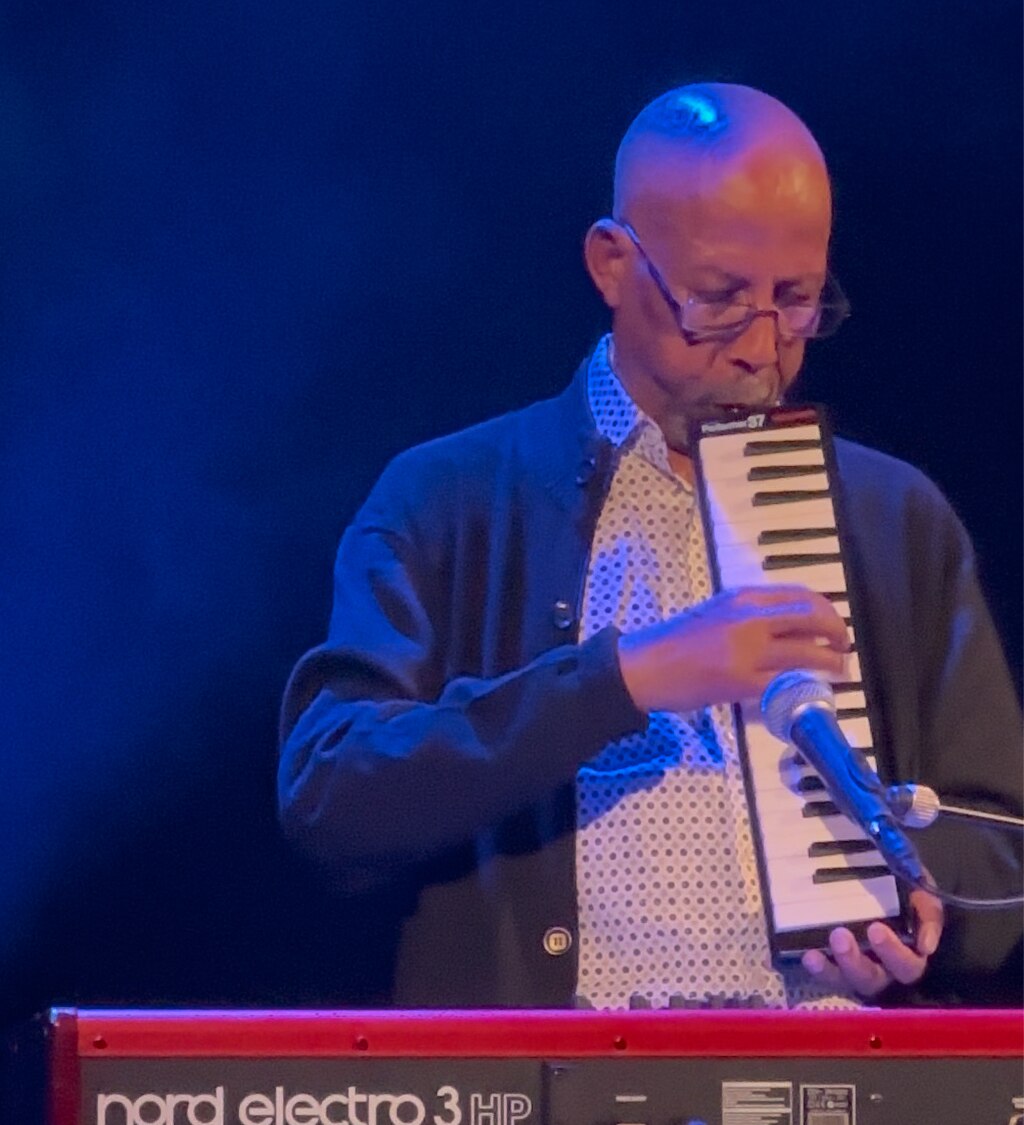
Hailu recorded Hailu Mergia and His Classical Instrument in 1985 and later drove a taxi near Dulles Airport. Brian Shimkovitz of Awesome Tapes From Africa found that tape and reissued it in 2013. Hailu then released new albums, Lala Belu in 2018 and Yene Mircha in 2020, and went back on tour. He played at the Perth Festival in Australia in 2025.
Girma was away from music for about 30 years, Ethiopia Observer reported. In September 2015 he joined Akalé Wubé, a band from Paris, for a concert in that city. Their album Mistakes on Purpose became Éthiopiques 30, and in June 2017 they played it at the National Theatre in Addis Ababa.
Amha Eshete, who brought the band to America, died in April 2021, the Washingtonian magazine reported.