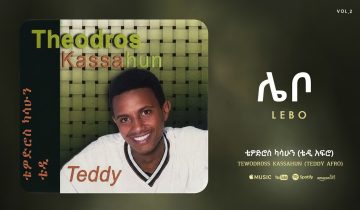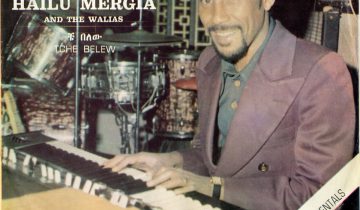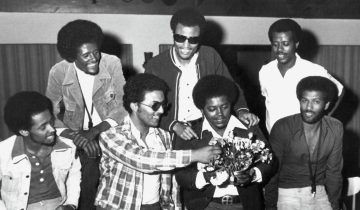
The Dahlak Band (ዳህላክ ባንድ) was an Addis Ababa group of the middle and late 1970s that played as the house band of the Ghion Hotel. Discogs says it formed from the core of the Equators Band in 1975 or 1976, under the Derg military government. The Arts Desk says the Equators first recorded in 1975 and took the Dahlak name in 1976. The band backed singers such as Muluken Melesse, Hirut Bekele, Bezunesh Bekele and Teshome Wolde, and it made the 1978 cassette Wede Harer Guzo (ወደ ሐረር ጉዞ, Journey to Harer) with the keyboard player Hailu Mergia (ሀይሉ መርጊያ). That tape was reissued in 2016 by Awesome Tapes From Africa. Discogs also lists the spellings Dahlack and The Dahlak Band.
From the Equators to the Dahlak Name
Discogs describes the Equators Band as an Ethiopian group that later became the Dahlak Band and that played for a long time at the Ghion Hotel. The Arts Desk, reviewing Tilaye Gebre’s saxophone album in January 2026, says Tilaye was a founder member of the Equators, that the group first recorded in 1975, and that it was renamed the Dahlak Band in 1976.
The Kaifa Records LP Muluken Melesse With The Dahlak Band (catalogue LPKF 39, 1976) shows how the two names sat side by side on one release. Discogs notes that the labels name the Equators Band while the sleeve names the Dahlak Band, and it states that the Dahlak Band equals the Equators Band. The same Discogs entry says the record was made in Greece.
House Band at the Ghion Hotel
Awesome Tapes From Africa, writing about the Wede Harer Guzo reissue, says the Dahlak Band was the house band at the Ghion Hotel when Hailu Mergia came there in 1978. Berklee Online‘s Take Note series says the Hilton was the top place to play in Addis Ababa and that Hailu, of the Walias Band, would also go to the Ghion, which it calls the second best place in the city, to play with the Dahlak Band.
The same Awesome Tapes notes draw a clear contrast between the two hotel rooms. The Walias at the Hilton, which the notes call Addis Ababa’s swankiest hotel, played for a mixed crowd of wealthy Ethiopians, foreign diplomats and older guests from abroad, with lighter dinner music and a calmer mix of jazz and rhythm and blues. Dahlak, the notes say, drew a slightly more youthful local audience and was known for soul and Amharic songs played for hours, two nights a week.
The Arts Desk adds that the Dahlak Band’s live repertoire included songs by James Brown and Wilson Pickett, as well as disco, funk, rhythm and blues and soul. By 1978, Awesome Tapes writes, the Derg had set a night curfew that kept people off the streets from midnight to 6 am, so bands often played until daybreak while guests stayed inside until morning.
Members
Discogs lists these people as members of the Dahlak Band: Abera Yeyisa, David Kassa, Dawit Yifru, Muluken Melesse, Rida Ibrahim, Shimelis Beyene, Tekle Tesfazghi, Tesfaye Tessema, Tilaye Gebre and Teodros Makonnen. The artist page does not give instruments for each name. Roles below come only from release credits that name them.
On the 1976 Muluken Melesse Kaifa LP, Discogs credits Tilaye Gebre with arrangement and saxophone, Abera Yeyisa with bass, Tesfaye Tessema with drums, David Kassa with lead guitar, Dawit Yifru with organ, Shimelis Beyene with trumpet and Rida Ibrahim with vocals. Mulatu Astatke appears as a guest on congas and vibraphone. Muluken Melesse is the featured singer on that album.
On the 2016 Awesome Tapes reissue of Wede Harer Guzo, Discogs credits Hailu Mergia with arrangement and organ, Dawit Yifru with electric piano, David Kassa with guitar, Abera Yeyisa with bass, Tesfaye Tessema with drums, Tilaye Gebre with saxophone, Shimelis Beyene with trumpet, and Muluken Melesse and Rida Ibrahim with vocals.
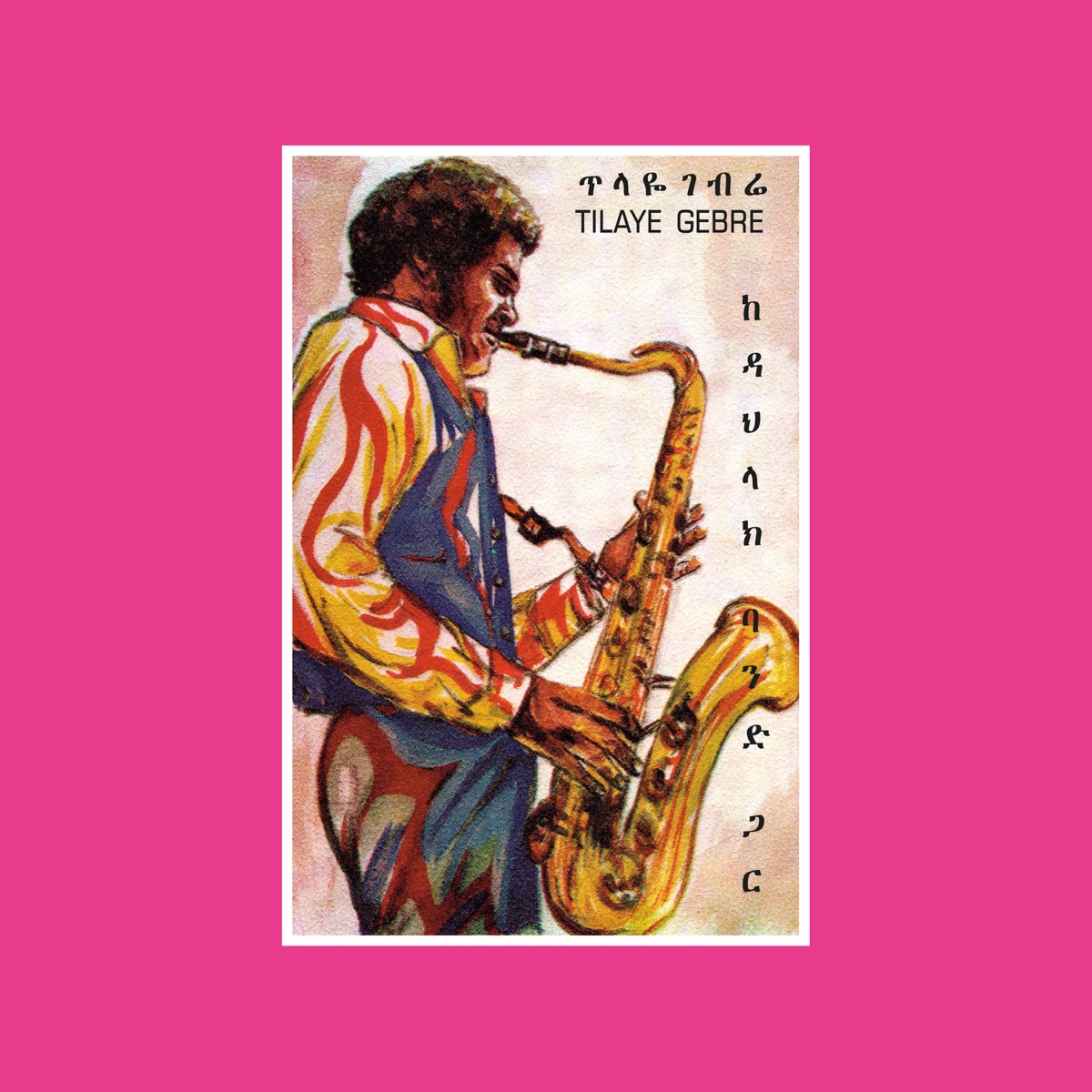
On the 2026 Muzikawi reissue of Tilaye’s Saxophone With The Dahlak Band, Discogs credits Tilaye Gebre with alto and tenor saxophone and arrangement, Dawit Yifru with organ and arrangement, David Kassa with electric guitar, Tesfaye Tessema with drums, Shimelis Beyene with trumpet, Moges Habte with tenor saxophone, and Muluken Melesse with cowbell. The Arts Desk says Tilaye later joined the Walias Band, stayed in the United States after a tour, and still lives there. Tekle Tesfazghi and Teodros Makonnen appear on the Discogs member list; the releases checked for this page do not spell out their instruments.
Key Recordings
Most Dahlak Band work came out on cassette in Addis Ababa shops and is hard to find today. These are the main titles that can be checked on Discogs and on later reissues:
- Muluken Melesse With The Dahlak Band, 1976, Kaifa Records LPKF 39, pressed in Greece. Ten tracks including Jemeregne, Woub Abeba and Tezeta. Discogs credits Tilaye Gebre as arranger and saxophonist and notes that the labels say Equators Band while the sleeve says Dahlak Band. Heavenly Sweetness later reissued the LP in France.
- Hailu Mergia and Dahlak Band, Wede Harer Guzo (ወደ ሐረር ጉዞ, Journey to Harer), 1978 cassette on Sheba Music Shop in the Piazza, reissued in 2016 by Awesome Tapes From Africa as ATFA021. Recorded over three afternoon rehearsals at the Ghion Hotel, according to the label. Ten instrumentals and songs include Sintayehu, Bati Bati, Embuwa Bey Lamitu and the title track. Hailu’s own cassette copy was the only source the label said it could find.
- Tilaye Gebre, Tilaye’s Saxophone With The Dahlak Band (የጥላዬ ሳክስ ከዳህላክ ባንድ ጋር). First issued as a C60 cassette by Electra Music Shop; the Arts Desk dates it only to the late 1970s. Muzikawi reissued it as MUZLP004 in February 2026. Tracks include Alibekagnim (አልበቃኝም), Tizita (ትዝታ), Tsigereeda (ጽጌሬዳ) and Tizi Alegni Yetinitu (ትዝ አለኝ የጥንቱ). The Arts Desk says it was recorded with one microphone as the band played in real time after hours at the Ghion.
- Hirut Bekele with the Dahlak Band. Discogs lists a cassette titled 1973 on Gennet Music Shop and notes that 1973 in the Ethiopian calendar is 1980 or 1981 in the Gregorian calendar, with Dawit Yifru credited as arranger. A further cassette, Hirut Bekele With the Dahlak Band (ሂሩት በቀለ ከዳህላክ ባንድ ጋር), is dated 1982 on Super Sonic Music Shop.
- Bezunesh Bekele (also spelled Bizunesh on some Discogs pages) singles from 1977 name the Dahlak Band as backing or accompanying band, among them Bayn Yemitay Idil / Tigle New. Discogs also lists a Bezunesh Bekele and Dahlak Band cassette, Vol. 1, on Ethio Music Shop, without a firm year.
- Teshome Wolde accompanied by the Dahlak Band, a Marathon Music Shop cassette listed on Discogs without a year, with Amharic titles including Wub Zealal (ውብ ዘለል) and Fikreye (ፍቅርዬ).
- Muluken Melesse and Dahlak Band, a 1981 cassette titled 1981 on Discogs, with Amharic song titles such as Lakilign (ላኪልኝ) and Zebenay (ዘበናይ).
The Arts Desk says there were at least nine Dahlak Band albums between 1976 and 1982. Many survive only as shop cassettes with incomplete dates.
Mahmoud Ahmed Singles and the Dating Problem
Discogs credits the Dahlak Band as the accompanying group on two Mahmoud Ahmed singles from 1974 on Mahmoud Ahmed Records: Yalem Baytewarnegn / Tidar Lenurachen (MA 002) and Gebtout Yehon Fikren / Antchin Kalkhu (MA 003). Those dates sit before the 1975 and 1976 formation years given by Discogs and by the Arts Desk for the Equators to Dahlak change. This page reports the Discogs credit and the clash in years; it does not treat the 1974 labels as proof that the Dahlak name was already fixed then. The band is a different group from the Ibex Band, which also backed Mahmoud in the same decade.
Reissues and Later Attention
Outside Ethiopia, the best known Dahlak title for many years has been Wede Harer Guzo, because Awesome Tapes From Africa pressed it on vinyl and digital formats in 2016 and posted a full album video the same year. The Tilaye Gebre cassette reached a wider audience when Muzikawi issued it on vinyl in 2026. HHV Mag, reviewing that reissue, notes Tilaye’s saxophone on records with Mahmoud Ahmed, Muluken Melesse, Hirut Bekele and Hailu Mergia.
Hailu Mergia’s own path after the Hilton years, including the 1981 United States tour with the Walias and the later Awesome Tapes reissues of his solo cassettes, is told in Tewnet’s Walias Band page. The Dahlak sessions of 1978 sit beside that story as the other hotel residency of the same Addis Ababa night.