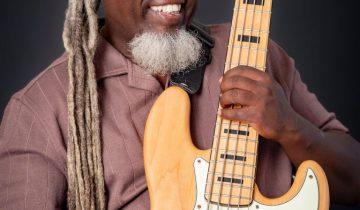
Teddy Afro (ቴዲ አፍሮ), born Tewodros Kassahun in Addis Ababa in 1976, has released six studio albums in 25 years, from Abugida in 2001 to Etorika in April 2026.
His catalog is small for a career this long, and that is part of the legend. Teddy often goes years between albums, and each one lands like a national event, at home and across the diaspora. In the long gaps he keeps people talking with singles, big concerts and, lately, the return of his early albums to his own YouTube channel.
Teddy Afro at a Glance
| Full name | Tewodros Kassahun (ቴዎድሮስ ካሳሁን) |
| Born | July 14, 1976, Addis Ababa |
| Parents | Singer and songwriter Kassahun Germamo and dancer Tilaye Arage |
| Studio albums | Six, from Abugida (2001) to Etorika (2026) |
| Sound | Reggae and pop at the start, then more and more traditional highland Ethiopian music |
| Family | Married actress and model Amleset Muchie in 2012; the couple has four children |
| Honors | Honorary doctorate from the University of Gondar, 2021 |
Every Teddy Afro Studio Album
| Year | Album | Songs to start with |
|---|---|---|
| 2001 | Abugida (አቡጊዳ) | Abugida, Haile Haile, Girmawineto, Monaliza |
| 2002 | Teddy, often called Lebo (ሌቦ) | Lebo, Wa Zendero, Hagere, Wub Aleme |
| 2005 | Yasteseryal (ያስተሰርያል) | Yasteseryal, Lambadina, Nigeregn Kalshign, Hab Dahlak |
| 2012 | Tikur Sew (ጥቁር ሰው) | Tikur Sew, Sile Fiker, Des Yemil Sikay, O Africa |
| 2017 | Ethiopia (ኢትዮጵያ) | Ethiopia, Marakiye, Mar Eske Tuaf, Atse Tewodros II |
| 2026 | Etorika (ኢቶሪካ) | Jember, Das Tal (Ansaw), Etorika, Tsion Mushraye |
Abugida (2001): A Young Star With Dreadlocks and a Message
Teddy grew up in a musical home. His father, Kassahun Germamo, was a singer and songwriter, and his mother, Tilaye Arage, was a dancer. By the time he recorded his first album he had already found the mix that made him famous: reggae rhythms, pop hooks and Amharic lyrics that spoke to young people about love, history and their own country.
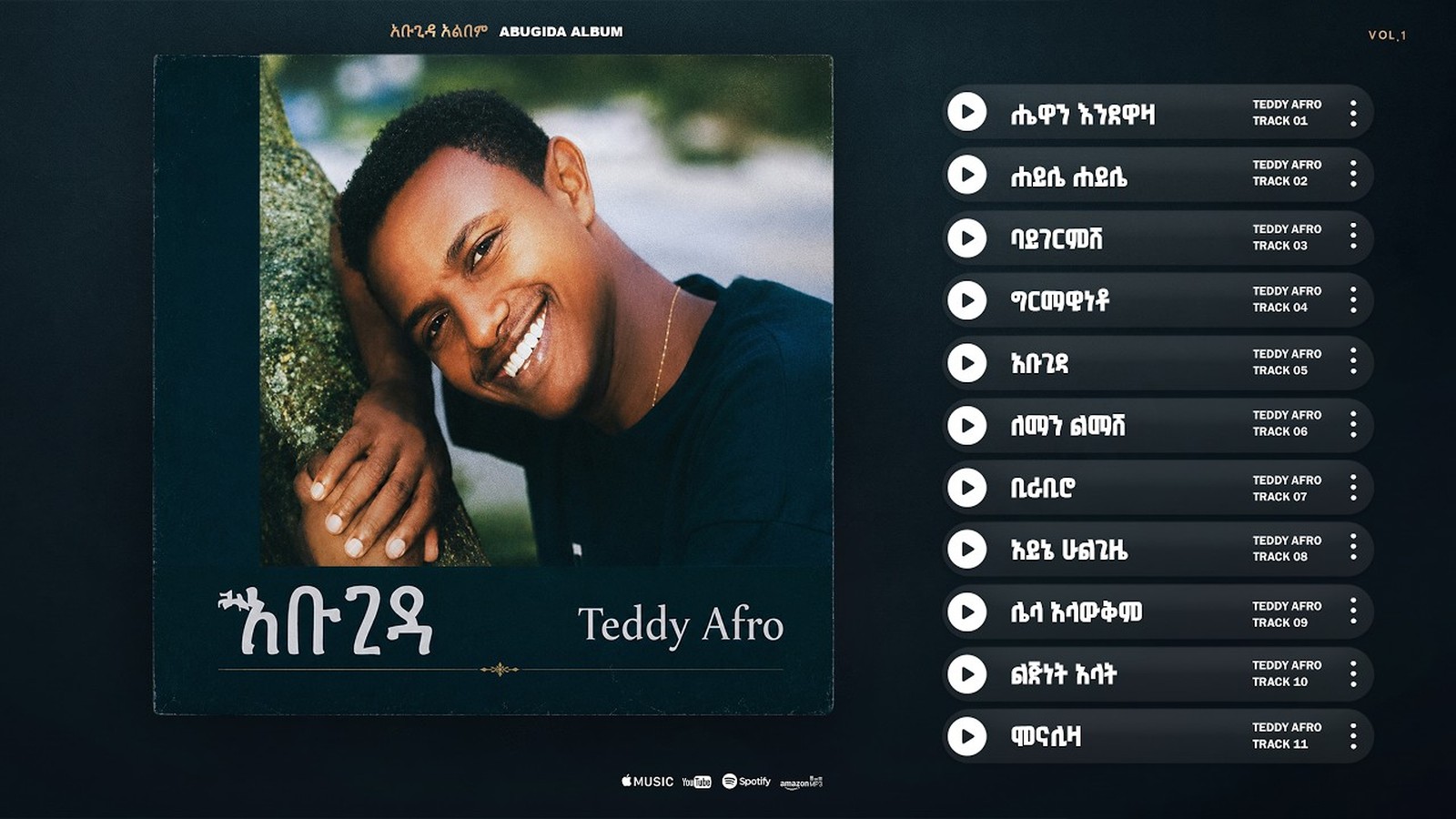
Abugida, named after the Ethiopian alphabet, came out in 2001 with 11 songs and quickly made him a household name. One of its hits, Haile Haile, honored the runner Haile Gebrselassie, and the album also carried a tribute to Emperor Haile Selassie I. In the United States it was released by Nahom Records and Massinko Entertainment, which helped carry Teddy into diaspora homes early. In 2026 his official channel posted the whole of Abugida as one nonstop video, so a new generation can hear where it all began.
Teddy, or Lebo (2002): The Second Album
His second album came out in 2002 on AIT Records under the simple title Teddy, though most fans know it as Lebo after its opening song. It also has 11 tracks, including Wa Zendero, Tsigereda, Lomiye and Hagere (My Country), the longest at more than eight minutes. The full album went back online in November 2026 when his channel posted official visualizers for all 11 songs.
Yasteseryal (2005): The Album That Made Him a Voice of the People
Yasteseryal arrived during the tense months around Ethiopia’s 2005 election, and its title song caught the mood of the streets so well that state media stopped playing it, along with three other tracks. The ban did nothing to slow it down. The album sold more than a million copies within a few months, and Lambadina, Nigeregn Kalshign and Alamin Alena became music videos on the 2006 Lambadina DVD. Hab Dahlak uses a couple who drift apart to sing about the split between Ethiopia and Eritrea.
The years that followed were the hardest of his life. Teddy was convicted in a 2006 traffic case, which he always denied, and he spent more than a year in prison before he walked free in August 2009.
Tikur Sew (2012): Menelik, Adwa and a Record Breaking Release
His comeback album, Tikur Sew (ጥቁር ሰው, “Black Man”), came out on April 14, 2012. The title song honors Emperor Menelik II and the 1896 victory at Adwa, when Ethiopia defeated an Italian army, and it quickly became one of his best known songs. The album’s 11 tracks also include Sile Fiker, Des Yemil Sikay, Bashaw and O Africa.
The demand was huge. Ashenafi Zeleke, a producer at Adika, one of the companies behind the album, said the market needed 500,000 CDs and 200,000 cassettes. A few months later, on September 27, 2012, Teddy married Amleset Muchie at the Sheraton in Addis Ababa. She also directed his video for Mar Eske Tuaf.
Ethiopia (2017): Number One on Billboard
Between albums Teddy kept fans busy with singles. Be 70 Dereja, released on August 22, 2014, took viewers back to the 1970s with a black and white video full of Addis Ababa landmarks.
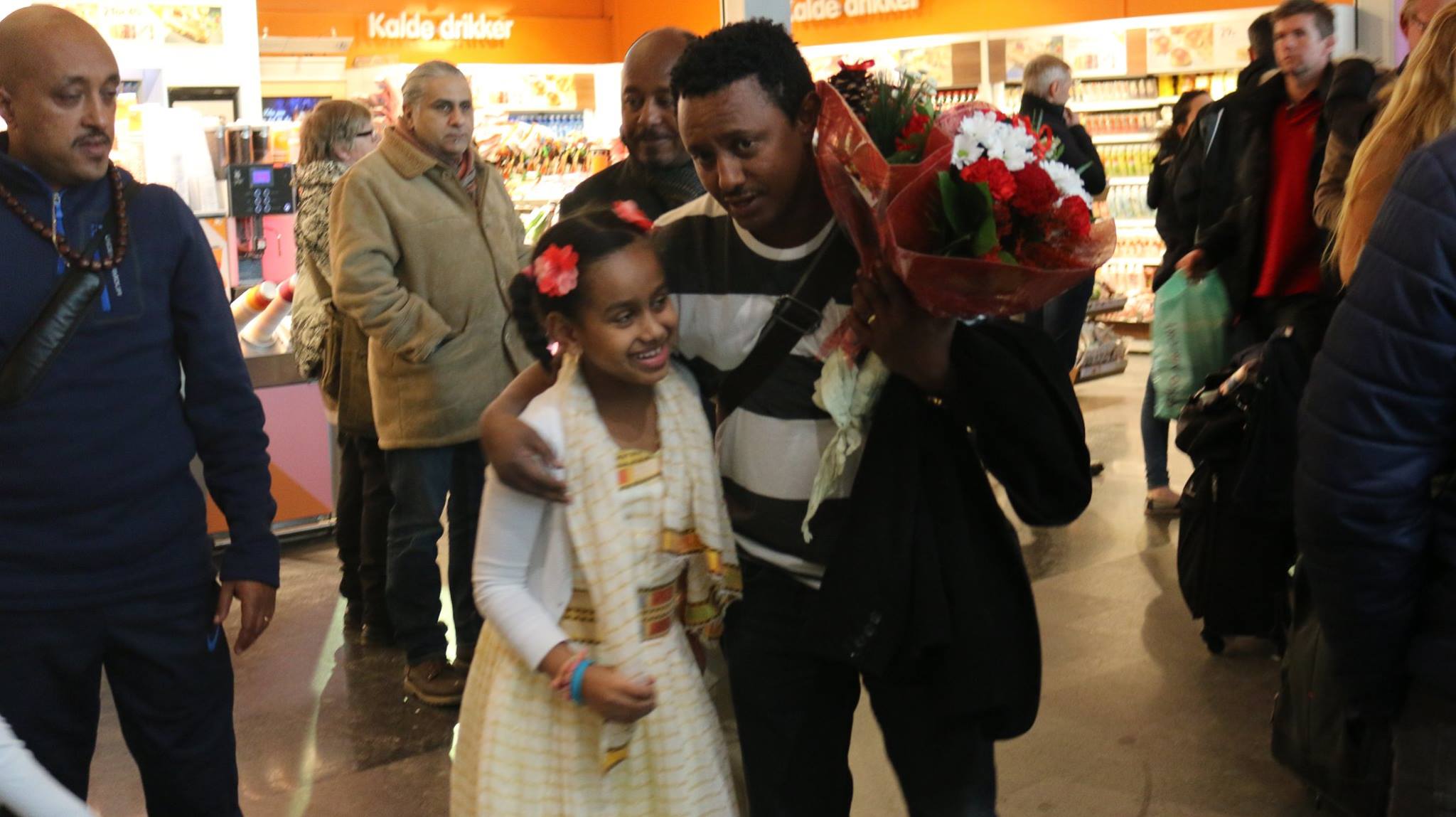
His fifth album, Ethiopia, followed on May 2, 2017, one day after he posted the video for its title song. It went to number one on the Billboard World Albums chart that month and had sold more than 600,000 copies by then. The record mixes big national songs like Ethiopia and Atse Tewodros II, about the 19th century emperor who shares his name, with tender love songs like Marakiye and Mar Eske Tuaf. It also includes Anaa Nyaatu, a song in Afaan Oromo, the language of the Oromo people.
Singles, Concerts and the Long Wait (2018 to 2025)
After Ethiopia, Teddy went nine years without a new album, but he never went quiet. On February 22, 2020, he drew a record crowd to Meskel Square in Addis Ababa for his concert Adwa! Wede Fikir Guzo. That August he released Demo Be Abay, a song for the Abbay, the river known in English as the Blue Nile, and in November 2021 he followed it with Armash, a plea for Ethiopians to stand together. The same year the University of Gondar gave him an honorary doctorate, and he traveled north with Amleset to accept it in person.
Etorika (2026): The Big Return
The wait ended on April 16, 2026, when Teddy put out Etorika on his own YouTube channel. It is his longest album by far, with 18 songs and a running time of about an hour and a half. Within its first day the videos drew millions of views, led by Jember, Das Tal (Ansaw), the title song and Sememene. Months later his songs were still filling the top of the Amharic YouTube charts.
Etorika also showed how far his sound has traveled since the reggae of Abugida. The new songs lean on traditional highland melodies and the trembling vocal style of classic Ethiopian singers, the same roots that ran through the golden age of Tilahun Gessesse and Mahmoud Ahmed. Now 50, Teddy has been posting his early albums on his channel this fall, so Abugida and Lebo are finding young listeners right alongside Etorika.
Video: Teddy Afro’s official video for Ethiopia (ኢትዮጵያ), the title song of his 2017 album, posted on his YouTube channel on May 1, 2017 (Teddy Afro / YouTube)