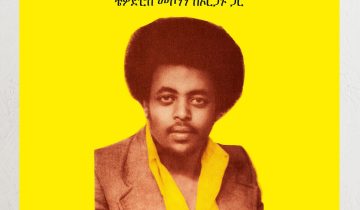
On April 16, 2026, Teddy Afro released Etorika, his first full-length studio album since Ethiopia in 2017. Fans had waited nine years for new music from Tewodros Kassahun, the singer many call the king of Ethiopian music. Within hours of its release, Etorika became the biggest music story in Ethiopia.
The album has 18 songs and runs about one hour and 35 minutes. It gives fans everything at once: love songs, unity anthems, and the socially aware songwriting that made Teddy Afro one of the most influential Ethiopian musicians of his generation.
The Long Wait
Teddy Afro has never rushed his music. After his 2017 album Ethiopia, which debuted at number one on Billboard’s World Albums chart, he released mostly standalone singles. The long silence only raised expectations. By the time Etorika was announced, anticipation in Ethiopia and across the five-million-strong diaspora was at its highest. Taxi drivers in Addis Ababa, coffee shops in Washington, D.C., and living rooms in London were all asking the same question: when is the album coming?
The answer came in mid-April, and the response was immediate.
The Tracklist
Etorika’s 18 songs show the full range of Teddy Afro’s artistry:
- Das Tal (Ansaw)
- Etorika
- Samnew
- Tewedaj
- Sememene (GuReggae)
- Tsion Mushraye
- Tintago
- Yemaereg Tig
- Shi Bibal
- Tayegn
- Bemeskotu
- Bilichita
- Yeazo Emba
- Ze Tsedal
- Merema
- Merkeb
- Sema Erase
- Jember
A New Sound: GuReggae
One of the most talked-about parts of the album is its embrace of reggae. The song “Sememene (GuReggae)” mixes reggae rhythms with Ethiopian sounds. GuReggae blends the music of the Gurage people with reggae. The mix worked: within days of release, Etorika reached number one on the U.S. iTunes Reggae Chart. That is rare for an Ethiopian artist on a chart usually led by Caribbean acts. It showed that the album’s audience was never only Ethiopian. The world was listening.
The Numbers
The commercial response was historic by Ethiopian standards. Reports said “Das Tal” reached nearly 8 million YouTube views within two days of release. Across streaming platforms, the album led the Spotify and Apple Music charts in Ethiopia and performed strongly in diaspora hubs. Fan communities reported huge first-day numbers, with some saying the album matched global pop launches in its opening hours. The exact totals are hard to confirm, but one fact is clear: no Ethiopian album in 2026 has had an impact like Etorika.
The Themes
Like his classic albums Yasteseryal and Tikur Sew, Etorika is built on the themes that define Teddy Afro’s songwriting: national unity, Ethiopian identity, love, social justice, and hope. The title track “Etorika” is an anthem for the country and the continent. “Yeazo Emba” is a deeply moving reflection on displacement and loss in recent years of conflict. “Das Tal,” one of the most discussed songs on the record, addresses the struggles of the nation directly. Between the heavier songs are love songs like “Samnew” and “Tewedaj,” in the classic Teddy Afro style his fans grew up with.
Standout Tracks
Every listener has a personal ranking, but a few songs emerged as early favorites. “Jember” was an instant fan pick, reportedly crossing a million YouTube views within hours. “Das Tal” set the tone for the whole album and drove the opening conversation. “Yeazo Emba” struck the deepest emotional chord. Its message about people displaced by conflict resonated across the country. “Samnew” and “Merema” show the melodic skill that has kept Teddy Afro at the top for two decades.
Why It Matters
Etorika matters for reasons beyond the charts. For nine years, Ethiopian pop moved on without its biggest star. His return changed the discussion about what Ethiopian music can be and how far it can travel. The album’s reggae crossover, its streaming numbers, and its chart positions abroad all point to the same conclusion: Ethiopian music now competes on the world stage, and Teddy Afro is still the artist leading it there.
The album also arrived as a cultural moment at home. In a year of tension and change, millions of Ethiopians heard their own hopes and frustrations in these 18 songs. That is what Teddy Afro has always done better than anyone: turn the national mood into melody.
Which song from Etorika do you play again and again? Tell us in the comments.