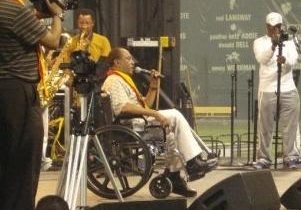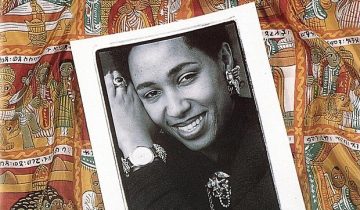
Alemayehu Eshete (ዓለማየሁ እሸቴ) was an Ethiopian singer and songwriter who was born in June 1941 and died in Addis Ababa on September 2, 2021. The Guardian wrote that he was known as the Abyssinian Elvis, or the Ethiopian James Brown. His best known songs include ተማር ልጄ (Temar Lije) and አዲስ አበባ ቤቴ (Addis Ababa Bete).
The Guardian says he was the first singer to record for Amha Records, in 1969. Discogs lists his singles on Amha and Philips Ethiopia during 1969 to 1974. Buda Musique later gave him two full volumes in its Éthiopiques series, numbers 9 and 22.
This page lists his main albums, cassettes and singles with labels and catalogue numbers from the Discogs record database. Amharic song titles come from BBC News Amharic and from cassette labels listed on Discogs. English meanings are attributed to The Guardian.
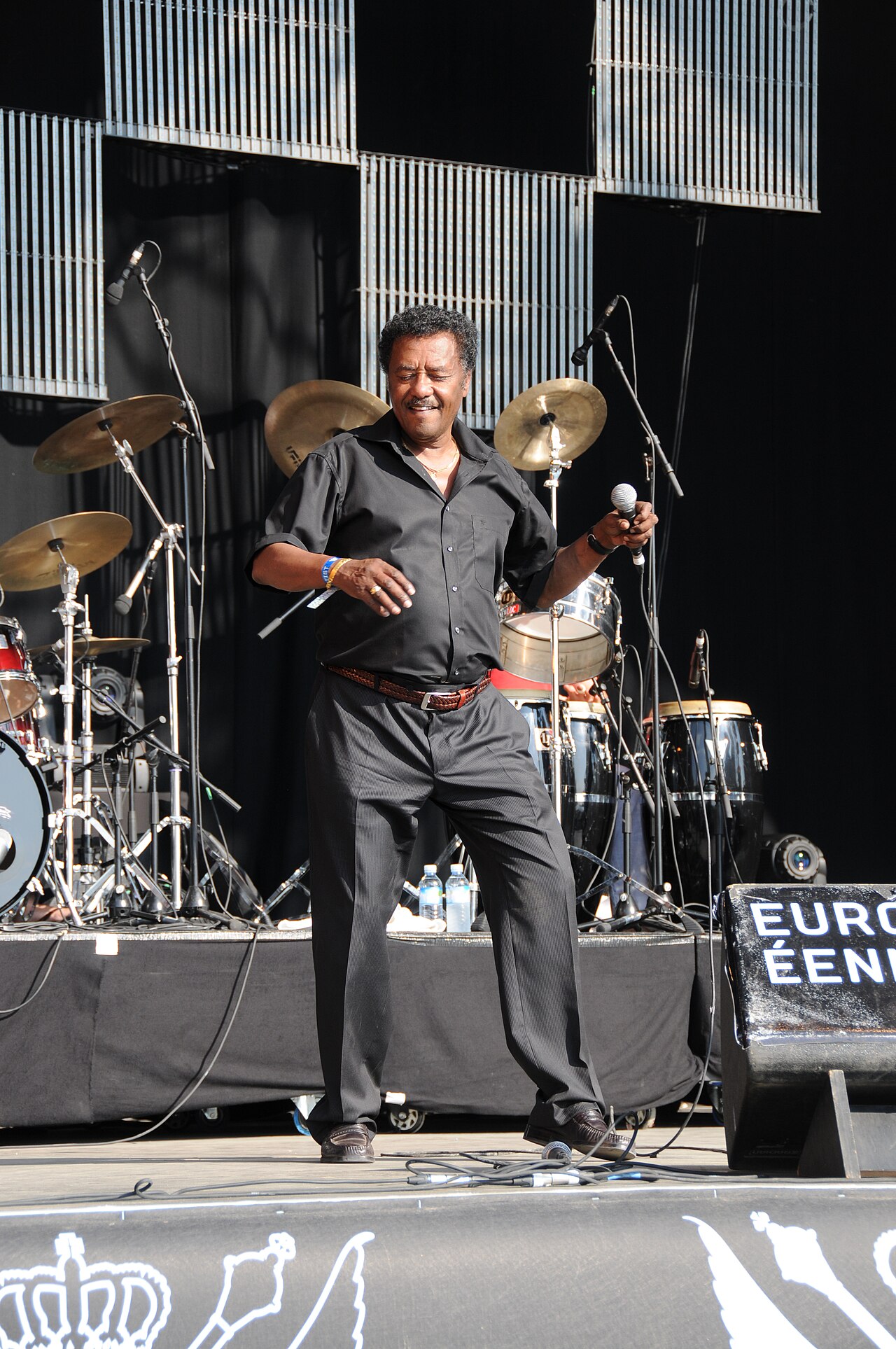
Alemayehu Eshete at a Glance
| Question | Answer |
|---|---|
| Full name | Alemayehu Eshete Andarge (ዓለማየሁ እሸቴ አንዳርጌ) |
| Born | June 1941; Addis Ababa per The Guardian and BBC News Amharic |
| Died | September 2, 2021, in Addis Ababa |
| Known as | The Abyssinian Elvis; the Ethiopian James Brown |
| Main labels | Amha Records, Philips Ethiopia, Kaifa Records, Buda Musique |
| Key bands | Police Orchestra, All Star Band, Alem Girma Band, Wallias Band |
| Best known songs | Temar Lije, Addis Ababa Bete, Timarkialesh, Ambassel, Tikur Gissila |
Early Life and the Police Orchestra
The Guardian says his father, Andarge Eshete, was one of the few official taxi drivers in Addis Ababa. His mother, Belaynesh Yusuf, came from Wollo, and he spent much of his childhood there. BBC News Amharic says he lived with his mother in Dessie until he was three years old.
He attended the Christian Training Institute, a boarding school in Addis Ababa, where he sang in the choir. BBC News Amharic says he sang the English songs of Pat Boone, Bill Haley and Elvis Presley. His hair style and modern clothes earned him the name “Ethiopian Elvis,” the outlet wrote.
When he was young, he set out for Hollywood with a friend. The Guardian says they reached Asmara before his father found them. BBC News Amharic gives the place as Massawa and says he carried one hundred birr taken from his father.
The Guardian says Colonel Retta Demeqe heard him in Addis Ababa clubs when he was 20 and brought him into the Police Orchestra. BBC News Amharic dates his entry to 1955 in the Ethiopian calendar, a year that ran from September 1962 to September 1963. It says he stayed with the orchestra until 1961 in the Ethiopian calendar, or 1968 to 1969.
The First Amha Record, 1969
In 1969 a young record shop owner, Amha Eshete, asked leading musicians to record for his new label. The Guardian says Alemayehu was the only one who agreed, at a time when independent records were not legal. The result was Timarkialesh / Ya Tara, catalogue AE 100, pressed in India.
The record was a hit, and Amha continued to produce him. Discogs lists three more Amha singles from 1969, including Lib Tatefalech with Honey Baby on the other side. These early sides were later collected on Éthiopiques 9.
Alem Girma Band and the Philips Years, 1971 to 1976
The Guardian says he founded the Alem Girma Band in 1972 with the composer and keyboard player Girma Beyene. Liner notes reproduced on Discogs credit Girma as arranger on many of these sessions. Alemayehu also sang with the All Star Band on his 1971 and 1972 Amha records.
In July 1971 Amha released Addis Abeba Bete with Alteleyeshigneme as catalogue AE 320. Philips Ethiopia issued Tikur Gissila in May 1972, and The Guardian translates that title as Black Leopard. Discogs also lists a Philips edition of Beliye / Temar Lije, PH 170, dated 1973.
The Guardian translates Tèmar Ledjé as Study, My Son and calls it massively popular. BBC News Amharic says parents still use the song to advise their children about school. In 1973 Philips also released a reel to reel album titled ዓለማየሁ እሸቴ, catalogue PH 175 T, with eleven songs including both versions of Ambassel.
Discogs lists later sides on Amha and on the Walias label in 1975, and on Kaifa Records in 1976. The Guardian says curfews under the military government ended the Addis club scene, but Alemayehu stayed in Ethiopia with his wife and family.
Selected Singles, 1969 to 1976
- 1969: Timarkialesh / Ya Tara (Amha Records, AE 100)
- 1969: Lib Tatefalech / Honey Baby (Amha Records)
- 1969: Fiker Fiker Naw / Gizew Honeshyna (Amha Records)
- 1971: Yewoine Haregitu / Yelebene Bitayiw (Amha Records, AE 310)
- 1971: Addis Abeba Bete / Alteleyeshigneme (Amha Records, AE 320)
- 1972: Tikur Gissila / Kenoru Lebitcha (Philips Ethiopia, PH 120)
- 1972: Inat Yenjera Inat / Alem Girma (Philips Ethiopia, PH 116)
- 1973: Beliye / Temar Lije (Philips Ethiopia, PH 170)
- 1973: Ambassel / Tenageri (Philips Ethiopia, PH 171)
- 1973: Enkoy Nat Yabay Dar / Yesew Bet Yesew New (Amha Records)
- 1974: Yewubdar / Man Yihon Tilk Sew (Amha Records)
- 1974: Konjit / Tilantina Zarie (Amha Records)
- 1975: Menem Akem Yelegn / Bemegnot Atmera (Walias, W 002)
- 1976: Hedech Ashkbech / Wededkush Afkerkush (Kaifa Records, KF 38)
Titles above use the Latin spellings used in the linked Discogs release entries. Spellings change from one pressing to the next.
Alemayehu Eshete Albums, Cassettes and Compilations
| Year | Title | Label and number | Notes |
|---|---|---|---|
| 1973 | ዓለማየሁ እሸቴ (Alemayehu Eshete) | Philips Ethiopia, PH 175 T | Reel to reel album; eleven songs |
| 1980 | Untitled cassette | Solar Music Shop | Ten songs, including Tsebay and Tiz Alegn Hagerie |
| 1981 | Untitled cassette | Central Electronics | Discogs does not list the song titles |
| Not dated | ዓለማየሁ እሸቴ እና ሸበሌ ባንድ | Kaifa Records, cassettes | Two cassettes with the Shebelle Band; Amharic titles on the labels |
| Not dated | እንግዳዬ ነሽ | Ambassel, cassette | Shared cassette with Kuku Sebsebe |
| 1992 | Addis Ababa | Musidisc and Blue Moon, BM 155 | With the Wallias Band; recorded in Paris |
| 1998 | The Best Of… | AIT Records, AIT013 | United States CD; ten songs |
| 2001 (Discogs edition) | Éthiopiques 9: Alèmayèhu Eshèté 1969 to 1974 | Buda Musique, 82983 2 | 22 Amha sides |
| 2007 | Éthiopiques 22: More Vintage! 1972 to 1974 | Buda Musique, 860144 | 18 Philips sides |
| 2010 | Ethiopiques Live! | Innacor Records, INNA21011 | Video disc of a 2008 concert in Sète, France |
| 2017 | Alteleyeshegnem / Temar Ledje | Philophon, PH45011 | Seven inch single, Germany |
| 2019 | Feqer Feqer Nèw; Addis Abeba Bete (Live) | Philophon, PH45018 and PH45019 | Singles with The Polyversal Souls |
| 2021 | Teqeyersh | Mahiber LLC | Digital single dated May 8, 2021 |
Source: Discogs release pages for each title. Discogs also lists Alemayehu on Éthiopiques volumes 3, 8, 10, 13 and 25, and on The Very Best of Éthiopiques.
Cassettes and the Wallias Band CD
Discogs lists two undated Kaifa cassettes credited to Alemayehu and the Shebelle Band. Discogs lists Amharic titles from their labels, such as ማረኝ ብየሻለሁ, የዓይኔ ኩል, ችግርሽ በኔ አልፏል and ከሃቅ አትስውሩኝ. A shared cassette on the Ambassel label, እንግዳዬ ነሽ, also carries ኮቱማ ፍቅርዬ and ፍልቅልቄ.
In 1992 the French labels Musidisc and Blue Moon released Addis Ababa, recorded in Paris with the Wallias Band. The CD lists Francis Falceto as producer. The Discogs entry says the back inlay prints his name as ዓለማየሁ እሸቴ. Our history of the Walias Band covers that group.
The ten songs include Addis Ababa Bété, Yewoiné Haregitu, Marign Biyeshalo, Kotuma Fikrié and a seven minute Ambassel. In 1998 AIT Records in the United States released The Best Of…, with Temar Lijë, Ende Amora and Tikur Gissila.
Éthiopiques 9 and Éthiopiques 22
Buda Musique released Éthiopiques 9 under an exclusive license from Amha Eshete, according to release notes reproduced on Discogs. Its 22 tracks first came out on Amha singles from 1969 to 1974. The notes credit the All Star Band, the Alem Girma Band and players such as the saxophone player Getachew Mekuria.
Éthiopiques 22: More Vintage! 1972 to 1974 followed in 2007 under a license from Alemayehu, in agreement with Philips Ethiopia. Its 18 tracks include Tèmar Ledjé, both versions of Ambassèl, Tequr Gessela and Enat Yèendjèra Enat. Release notes reproduced on Discogs say a 32 page booklet carries lyrics in French and English.
The Buda Musique catalogue describes him as “a singer as remarkable for his frenetic rock numbers as for his heartrending ballads.” Discogs lists Francis Falceto as producer and liner note writer for both volumes.
Key Songs in Amharic and English
| Amharic | Latin spelling | Meaning | Where listed |
|---|---|---|---|
| ተማር ልጄ | Temar Lije / Tèmar Ledjé | Study, My Son (The Guardian) | Philips PH 170; Éthiopiques 22 |
| አዲስ አበባ ቤቴ | Addis Ababa Bete | Addis Ababa, My Home (The Guardian) | Amha AE 320; Éthiopiques 9 |
| የወይን ሐረጊቱ | Yewoine Haregitu | Not translated here | Amha AE 310; Éthiopiques 9 |
| የሰው ቤት የሰው ነው | Yesew Bet Yesew New | Not translated here | Amha, 1973; Éthiopiques 9 |
| ደንየው ደነባ | Denyew Deneba | Not translated here | Éthiopiques 9; Addis Ababa CD |
| ማን ይሆን ትልቅ ሰው | Man Yihon Tilk Sew | Not translated here | Amha single, 1974 |
| ማረኝ ብየሻለሁ | Marign Biyeshalo | Not translated here | Kaifa cassette; Addis Ababa CD |
| ችግርሽ በኔ አልፏል | Chigerish Béné Alfoual | Not translated here | Kaifa cassette; Addis Ababa CD |
| ኮቱማ ፍቅርዬ | Kotuma Fikrié | Not translated here | Ambassel cassette; Addis Ababa CD |
| ከሃቅ አትስውሩኝ | Kehak Atsewirugn | Not translated here | Kaifa cassette; AIT Best Of |
| እንደ አሞራ | Ende Amora | Not translated here | BBC News Amharic list; AIT Best Of |
| ፍልቅልቄ | Filiklikë | Not translated here | Ambassel cassette; AIT Best Of |
BBC News Amharic spells one title ማሪኝ ብየሻለሁ, while the Kaifa cassette label prints ማረኝ ብየሻለሁ. The outlet also lists የአባይ ዳር እንኮይ. A 1973 Amha single carries a similar title in Latin letters, Enkoy Nat Yabay Dar. We give a meaning only where The Guardian published one.
Later Career and Tours
The Guardian says he sang with an Éthiopiques show at the Barbican in London and then at Glastonbury in June 2008. At Glastonbury the show closed with his Addis Ababa Bete, sung with Mahmoud Ahmed, Mulatu Astatke and the saxophone player Getachew Mekuria. English Wikipedia says he toured the United States with Mahmoud in 2008, performing with the Either/Orchestra of Boston.
The Ethiopiques Live! video disc records a concert in Sète, France, on August 5, 2008, with Mahmoud and Badume’s Band. Philophon, a label in Germany, issued a single in 2017. In 2019 it issued two singles with The Polyversal Souls, Feqer Feqer Nèw and a live Addis Abeba Bete.
BBC News Amharic says he received a lifetime award at the fifth Leza Awards in Ethiopia. It also reported an award in Germany in 2015 for Temar Lije. The musician Serse Freselassie wrote on Facebook that Alemayehu recorded more than 400 works, the outlet reported.
As a schoolboy he rarely sang in Amharic, he told Sheger radio, as BBC News Amharic reported. When he did, he said, it was a song by Tilahun Gessesse.
Death and Funeral in 2021
Alemayehu died in Addis Ababa on Thursday, September 2, 2021, after heart trouble. Ethiopian Monitor reported that he had surgery in Italy five years earlier to clear blocked arteries. BBC News Amharic gives the date as Nehase 27, 2013 in the Ethiopian calendar, the same day.
He was buried on Tuesday, September 7, 2021, at Holy Trinity Cathedral in Addis Ababa, Borkena reported. Tens of thousands of people attended a farewell at Meskel Square before the service. The Guardian says he left his wife, Ayehu Kebede Desta, seven children and six grandchildren.
Where the Sources Disagree
Age at death: The Guardian, Ethiopian Monitor and Borkena say he was 80. BBC News Amharic says 79.
Place of birth: The Guardian, BBC News Amharic and English Wikipedia say Addis Ababa. The Discogs artist profile lists Jimma. That is a database entry, not a published biography, and we follow the named outlets.
Temar Lije date: Discogs dates the Philips single PH 170 to 1973. The Éthiopiques 22 notes on Discogs say the track first came out in June 1972.
Joining the Police Orchestra: The Guardian says he was 20, which points to about 1961. BBC News Amharic gives 1955 in the Ethiopian calendar, which is 1962 or 1963.
Alemayehu Eshete Career Timeline
- June 1941: Born; Addis Ababa per The Guardian and BBC News Amharic
- Early 1960s: Joins the Police Orchestra
- 1969: Timarkialesh, the first Amha Records single
- 1971 to 1974: Amha and Philips singles with the All Star Band and the Alem Girma Band
- 1973: Philips reel to reel album, and a Philips edition of Beliye / Temar Lije, dated 1973 by Discogs
- 1992: Addis Ababa CD with the Wallias Band, recorded in Paris
- 2001 (Discogs edition): Buda Musique releases Éthiopiques 9
- 2007: Buda Musique releases Éthiopiques 22
- 2008: Concerts in London, Glastonbury, Sète and the United States
- September 2, 2021: Dies in Addis Ababa; buried on September 7
Listen: Tèmar Ledjé
Video: Tèmar Ledjé from Éthiopiques 22, on the Alemayehu Eshete Topic channel.