
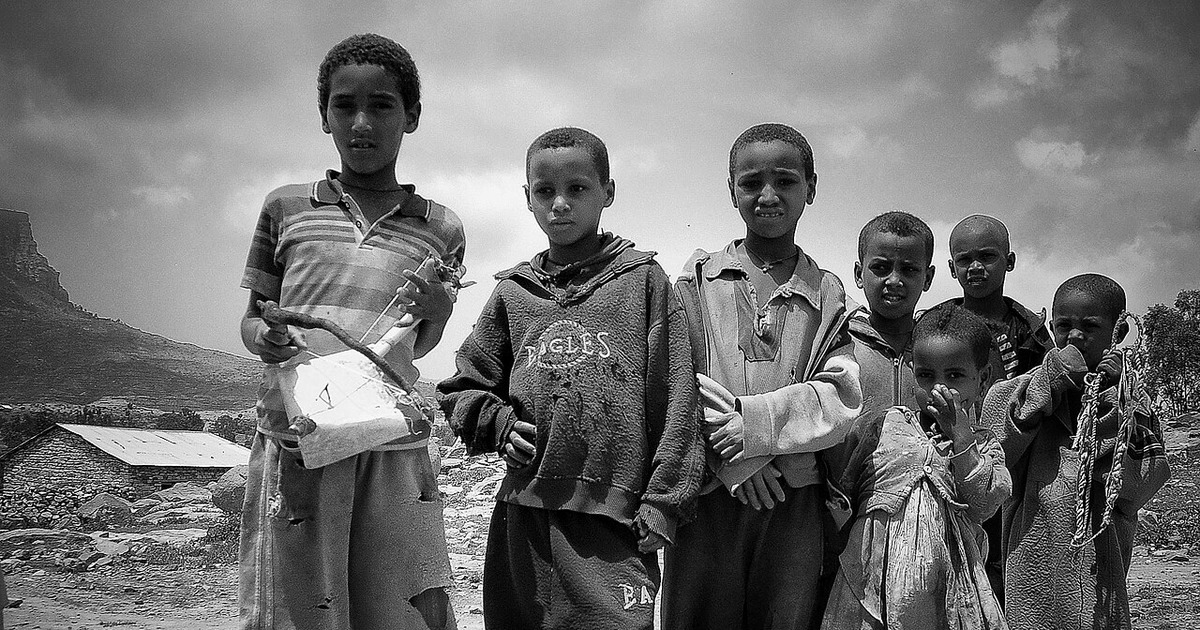
Masinko player, Tigray, Ethiopia. Rod Waddington / Wikimedia Commons (CC BY-SA 2.0)
The Oxford English Dictionary (OED) has added two Ethiopian words to its latest update: azmari, which comes from music, and berbere, which comes from the kitchen. Both words show how parts of Ethiopian culture have entered English.
Addis Insight reported the news on September 23, 2026, and the OED’s own September notes also highlight new words from East Africa. For many Ethiopians at home and in the diaspora, these are everyday words, and they now appear in a dictionary that records how English grows across the world.
What Azmari Means
The OED links English use of “azmari” to 1865. The word describes an Ethiopian poet, singer, and musician who often creates verses in the moment. Performers may play a stringed instrument such as the masenqo (a one-string fiddle) or the krar (a lyre) while they sing.
In Amharic, azmari means singer or minstrel. An azmari can mix music, storytelling, humour, and sharp social comment, and some singers invent lines about guests in the room as the night goes on. The tradition remains strong in azmari bets, the entertainment houses where guests come to listen, laugh, and share a drink. Azmari singers are also linked to popular song forms such as the reflective tizita ballad.
Berbere on the Page
Berbere is the deep red spice mix at the heart of Ethiopian and Eritrean cooking. The OED records English use from 1970 and describes a powdered blend that often includes chilli, coriander, fenugreek, garlic, and ginger. The term comes from Amharic and related Tigrinya forms.
At home, families and producers keep their own berbere recipes. The spice shapes dishes such as doro wat (spicy chicken stew), siga wat (meat stew), and misir wat (lentil stew). As Ethiopian restaurants and diaspora kitchens grow around the world, the word travels with the food, and many food writers, chefs, and home cooks now use the Amharic name.
Why the Words Matter
Azmari performers and berbere kitchens existed long before English writers needed names for them. Addis Insight wrote that in many cases the original culture provides the concept and English speakers adopt the original name. It described the OED entries as a record of the two words’ growing use in written and spoken English.
With these entries, one word for Ethiopia’s oral and musical life and one word for its cooking now sit in the wider record of English.
Watch
Do you use the words azmari or berbere in your daily life? Share your experience in the comments.