
Addis Ababa keeps showing up on runways these days, and not only as a pretty backdrop. Designer Bezawit “Beza” Tibebu is taking the city’s buildings apart in her head and putting them back together as clothes.
Her label, Tibebu Collection, grew out of architecture school more than a sudden career switch. Beza trained to read space, lines, and structure. Then she moved that thinking onto fabric. Same ideas about balance and proportion, just on a body that walks and turns instead of a street that stays put.
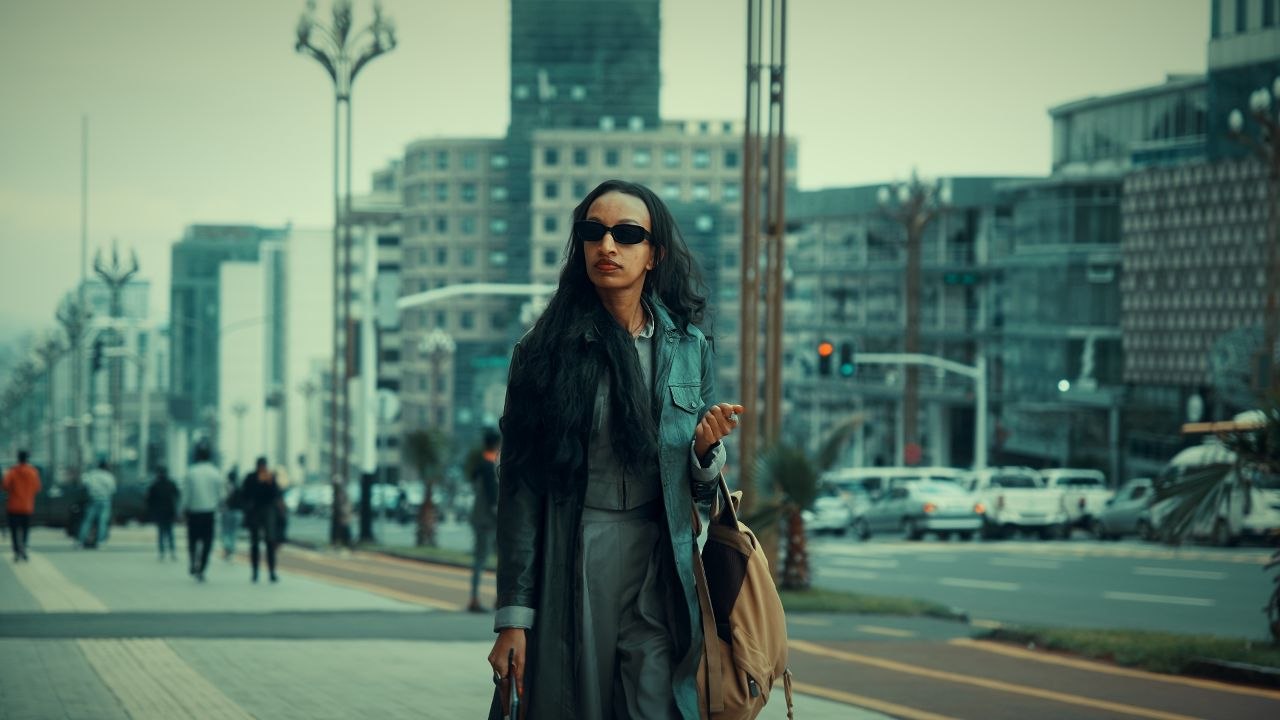
Photo: Capital Ethiopia / Tibebu Collection
The collection that made people look twice is called Addis Raw. It does not copy landmarks like tourist souvenirs. It pulls the geometry of Addis Ababa into seams, angles, and silhouette. A balcony line becomes a hem. A hard corner softens into a shoulder. The city stops being scenery and starts acting like a pattern book.

Photo: Capital Ethiopia coverage of Addis Raw / Tibebu Collection
What keeps the work grounded is Ethiopian handwoven textile. Beza builds with local cotton and local makers, then cuts those cloths into clean, modern shapes that can sit in a wardrobe in Addis, London, or anywhere else without looking like costume. The palette often stays quiet: ivory, blush, soft sand, pale lavender. You notice texture before you notice noise. That restraint is part of why editors have paid attention.

Photo: Capital Ethiopia / Tibebu Collection
Addis Raw already traveled. The collection showed at African Fashion Week London, which put Addis Ababa’s architectural identity in front of an international crowd. Tibebu Collection has also been covered by Vogue Italia and Vogue USA, and earlier Vogue spotlighted the brand among designers to watch at Hub of Africa Fashion Week in Addis. The point is not trophy hunting. It is proof that a look can be thought out, woven, and finished in Ethiopia and still land on global pages without apologizing for where it came from.
Tibebu means wisdom in Amharic, and the name fits the mood of the clothes. They do not shout. Soft skirts sit next to structured bodices. Handwoven tradition sits next to couture-minded construction. Beza talks about clothing as part of a bigger visual world, tied to place and memory, not just a single outfit for one night out.
For people following Ethiopian arts and lifestyle from home or from the diaspora, this is an easy story to care about. Weaving workshops in Addis, young designers who studied buildings before they studied hems, and a capital city that keeps feeding new creative work. After Enkutatash, Meskerem still feels like a reset month. Addis Raw feels like that same energy, just stitched into cloth you can actually wear.
If you see photos from the London show or from Hub of Africa, look past the flash for a second. Look at the lines. That is Addis talking through cloth, and it is worth watching where Beza takes it next.